Future-Proofing Your Pet Care with indigoboxersndanes.com: Essential Strategies for 2026
The Importance of Proper Care for Boxers and Great Danes
Ensuring the well-being of your Boxers and Great Danes starts with understanding their unique needs as large breeds. These majestic dogs require tailored care to thrive, covering aspects from nutrition to environment. By prioritizing their specific requirements, you not only enhance their quality of life but also strengthen the bond you share with them. For more comprehensive insights into dog ownership, indigoboxersndanes.com can be a valuable resource.
Understanding the Unique Needs of Large Breeds
Boxers and Great Danes belong to a category of dogs that are not only visually striking but also possess unique physiological demands. Their size comes with an increased risk of certain health issues, including joint problems and heart conditions. This necessitates a proactive approach to their care. It’s crucial to recognize that smaller breeds may have different nutritional and exercise requirements than their larger counterparts.
- Exercise Needs: Large dogs require ample exercise, typically around 60-90 minutes of activity daily. This can help prevent obesity and joint issues.
- Space Considerations: Both breeds flourish in spacious environments where they can move freely. Cramped areas can lead to anxiety and behavioral problems.
- Grooming: With short coats, both breeds benefit from regular brushing to minimize shedding and maintain skin health.
Nutritional Considerations for Optimal Health
Proper nutrition is pivotal for maintaining the health of Boxers and Great Danes. Both breeds require a diet rich in high-quality protein, vitamins, and minerals to support their growth and energy levels. Since large breed puppies grow rapidly, it is particularly important to select dog food formulated for large breeds to prevent skeletal issues.
- Protein Content: Look for dog food with a protein content of at least 20% for adult dogs and 25% for puppies.
- Calcium and Phosphorus: These minerals are crucial for bone development in puppies; however, over-supplementation in adult dogs could lead to complications.
- Hydration: Always ensure fresh water is available, as large breeds are prone to bloating, which can be exacerbated by dehydration.
Common Health Issues: Prevention and Management
Awareness of common health issues is essential for any dog owner, particularly for those who have Boxers and Great Danes. Some prevalent health concerns include hip dysplasia, heart disease, and certain types of tumors. Regular veterinary check-ups can help in early detection, enabling prompt management.
- Hip Dysplasia: This genetic condition can lead to arthritis. Maintaining a healthy weight and providing joint supplements can mitigate risk.
- Cardiomyopathy: Particularly in Boxers, this heart condition can be fatal. Regular vet visits can aid in early diagnosis and management.
- Gastric Dilatation-Volvulus (Bloat): Great Danes are particularly susceptible to bloat. Feeding smaller meals and avoiding vigorous exercise post-meal can help prevent this issue.
Training Techniques for Your Boxers and Great Danes
Training large breeds like Boxers and Great Danes may present unique challenges but is entirely achievable with the right strategies. Understanding their temperament and motivators is key to effective training.
Effective Training Strategies for Large Breeds
When training your large dog, it’s important to use methods that are appropriate for their size and personality. Positive reinforcement techniques, such as treats and praise, often yield the best results. Large breeds can be sensitive and may respond poorly to harsh corrections.
- Consistency is Key: Establish a consistent set of commands and stick to them to avoid confusion.
- Short Sessions: Large dogs can become bored with lengthy training sessions; aim for multiple short, engaging sessions throughout the day.
- Socialization: Early and frequent socialization with different environments, people, and other animals will help them develop into well-adjusted adults.
The Role of Socialization in Pet Development
Socialization plays a critical role in the overall development of Boxers and Great Danes. Introducing them to various social situations can help reduce anxiety and aggression.
- Expose Gradually: Start socializing your puppies with positive experiences at an early age to build confidence.
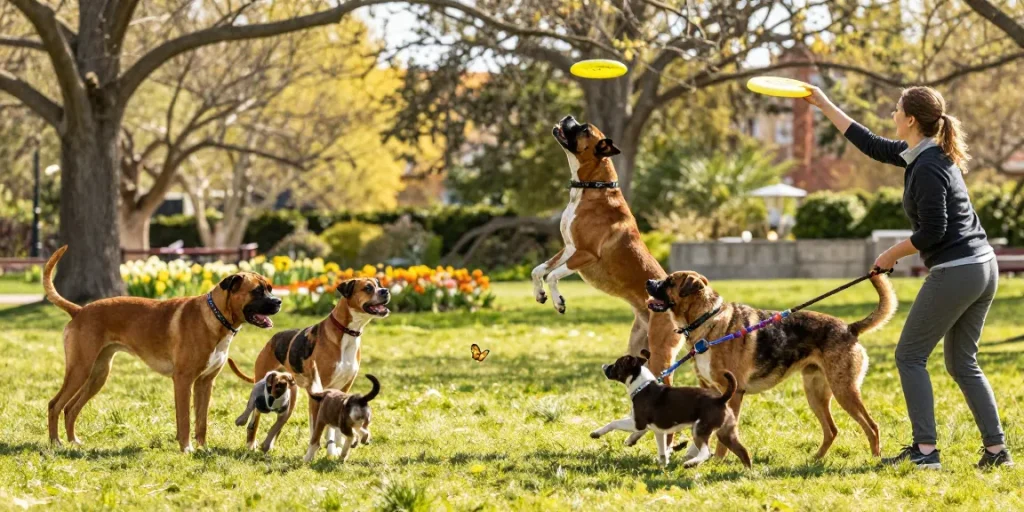
- Dog Parks: Visiting dog parks can provide opportunities for your dogs to interact with others, which can be beneficial for their social skills.
- Controlled Environments: Arrange playdates with other known dogs to teach them appropriate behavior in a manageable setting.
Addressing Behavioral Challenges in Dogs
Large breeds can exhibit behavioral challenges if not properly trained. Common issues like jumping, barking, or chewing can be addressed through targeted strategies.
- Redirecting Energy: Engage your dog in constructive activities to prevent boredom-related behavioral issues.
- Training Aids: Consider using training collars or harnesses that discourage pulling during walks.
- Patience and Understanding: Recognizing that behavioral modification takes time is essential for successful training outcomes.
Choosing the Right Environment for Your Dogs
Creating an environment that caters to the needs of Boxers and Great Danes involves both safety and stimulation. A well-structured environment can greatly influence your dogs’ overall happiness and well-being.
Creating a Safe and Engaging Home Space
Design your home in a way that allows your dogs to thrive. Ensure that the living space is dog-friendly and safe from hazards.
- Hazard-Free Zones: Remove any toxic plants, secure electrical cords, and ensure trash cans are out of reach.
- Comfortable Sleeping Areas: Provide spacious and comfortable beds that support their joints.
- Interactive Toys: Invest in durable toys designed for large breeds to keep them engaged mentally and physically.
Outdoor Activities Suitable for Large Breeds
Outdoor play is crucial for the health of large breeds. Engaging in suitable activities helps expend their energy and stimulates their minds.
- Walking and Hiking: Regular walks or hikes provide both exercise and mental stimulation.
- Swimming: Great Danes are natural swimmers, and introducing them to the water can be enjoyable while being low-impact for their joints.
- Agility Training: Setting up an agility course can be a fun way to exercise your dog while reinforcing training commands.
Essential Gear and Accessories for Boxers and Great Danes
Investing in quality gear is essential for managing large breed dogs effectively. The right accessories not only enhance your dog’s comfort but also make care easier for you.
- Collars and Leashes: Choose sturdy collars designed for large breeds and durable leashes to handle their strength.
- Food and Water Bowls: Opt for elevated bowls that suit their height, preventing strain while eating or drinking.
- Comfortable Travel Gear: Ensure your car is equipped with suitable restraints for safe travel.
Building a Bond with Your Pets
Establishing a strong bond with your Boxers and Great Danes requires time and effort, focusing on interactions that enrich your relationship.
Engaging Activities to Strengthen Your Relationship
Participating in activities that both you and your dog enjoy can significantly enhance your bond.
- Training Together: Engaging in training sessions can boost your relationship while reinforcing good behavior.
- Playtime: Regular play with toys or games strengthens your bond and provides necessary exercise.
- Quality Time: Spending quiet time together, whether lounging on the couch or taking a leisurely walk, builds trust.
The Importance of Regular Veterinary Checkups
Routine veterinary visits are crucial for monitoring the health of your large breed dogs. Regular checkups can help identify potential health issues before they escalate.
- Vaccinations: Keeping up with vaccinations protects against prevalent canine diseases.
- Dental Health: Regular dental checkups are vital, as large breeds are prone to dental disease.
- Health Screenings: Schedule screenings for common conditions associated with Boxers and Great Danes.
Creating Routine Health and Wellness Schedules
Establishing a routine for health and wellness can streamline your care efforts. This might include feeding schedules, exercise routines, and checkup reminders.
- Consistent Feeding Times: Meal times should be scheduled to help regulate digestion.
- Regular Exercise Routines: Create a daily exercise plan to keep your dogs healthy and happy.
- Health Journals: Maintain a journal for tracking health-related changes or behaviors for veterinary references.
Future Trends in Dog Care and Ownership
As we look toward the future, dog care and ownership are evolving thanks to innovations and changing societal attitudes. Staying informed about these trends can enhance your ownership experience.
Innovative Products for Large Breed Owners in 2026
The next few years are poised to introduce innovative solutions tailored specifically for large breeds. Products designed to improve health, safety, and well-being will continue to emerge.
- Smart Collars: Devices that monitor health metrics could become standard for larger breeds.
- Grooming Technologies: Advanced grooming tools might streamline care, making it easier for owners.
- Nutritional Supplements: Customized supplements aimed at preventing common large breed issues are likely to become more prominent.
Technological Advances in Pet Care Management
As technology progresses, pet care management is becoming increasingly sophisticated, allowing for better tracking of health and behavior.
- Health Apps: Applications that help monitor exercise, nutrition, and health stats can empower owners.
- Telemedicine: Virtual vet visits may improve accessibility for routine health assessments.
- Wearable Devices: Fitness trackers designed for pets could help ensure proper exercise levels.
Emerging Trends in Dog Training and Behavior Modification
Training methods are evolving with an increased focus on positive reinforcement and understanding canine behavior. This shift is particularly relevant for large breed owners.
- Clicker Training: This method may gain popularity as a way to enhance communication and reinforce good behavior.
- Behavioral Consultation: More owners are likely to seek professional help for behavioral issues arising with their pets.
- Workshops and Classes: The rise of community classes focusing on positive techniques will continue to grow.