
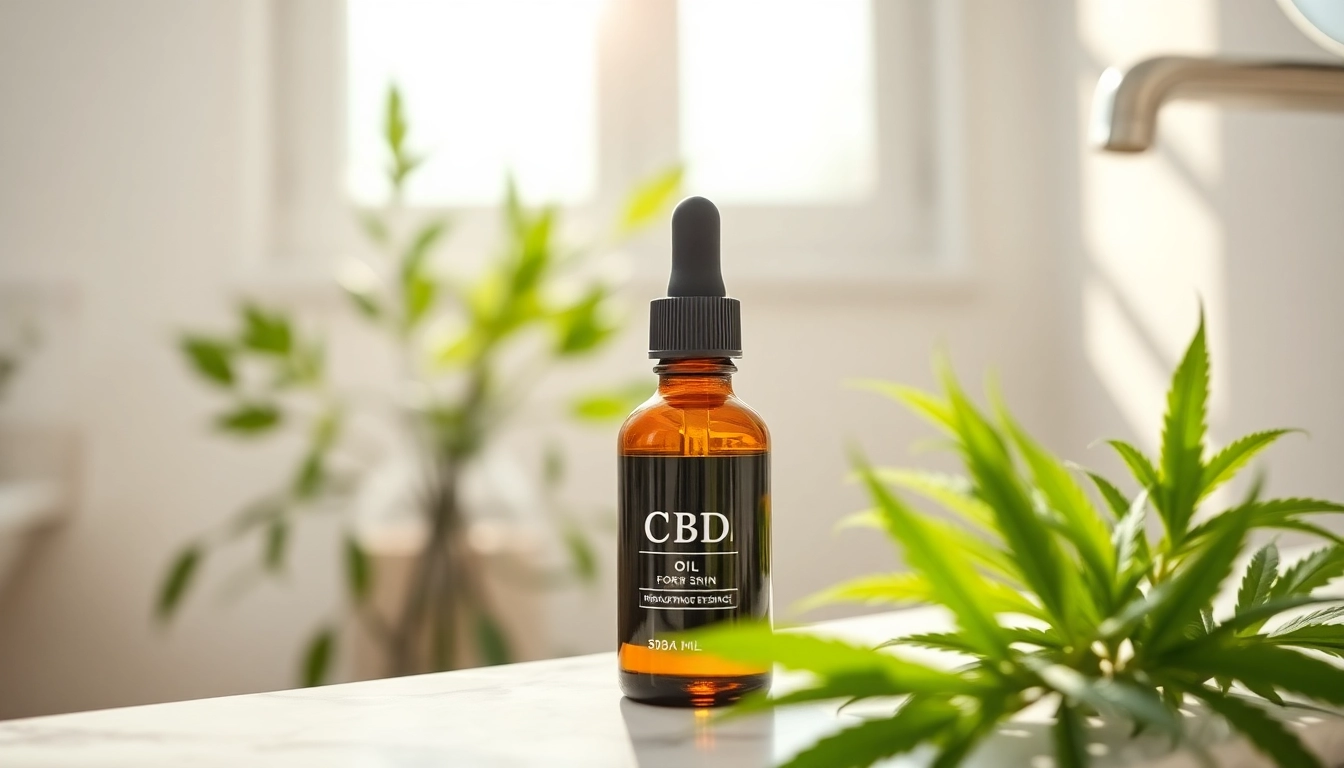
1. Understanding CBD Oil for Skin: Basics and Benefits
1.1 What is CBD Oil for Skin?
CBD oil, derived from the hemp plant, is becoming increasingly popular in the realm of skincare. It is a non-psychoactive compound known for its potential therapeutic effects. Unlike THC, the psychoactive component of cannabis, CBD offers various benefits without altering one’s mental state. This oil is extracted primarily from the flowers and leaves of cannabis plants and is often incorporated into creams, serums, and oils aimed at enhancing skin health.
1.2 Potential Advantages for Skin Health
Utilizing CBD oil for skin can bring several potential advantages:
- Anti-inflammatory Properties: CBD oil is renowned for its anti-inflammatory capabilities. It can soothe irritated skin and reduce redness, making it particularly beneficial for those suffering from conditions like acne and eczema.
- Hydration: CBD oil can help retain moisture and improve skin hydration, leading to softer, more supple skin.
- Antioxidant Effects: The oil is packed with antioxidants, which can combat oxidative stress and may protect against premature aging.
- Acne Reduction: Research has suggested that CBD can reduce sebum production, thus potentially preventing or treating acne outbreaks.
- Wound Healing: Its anti-inflammatory and analgesic properties aid in the healing process of minor wounds, cuts, and burns.
1.3 Common Misconceptions and Facts
As CBD oil grows in popularity, so do misconceptions surrounding its use. Some common myths include:
- Myth: CBD oil makes you high. Fact: CBD is non-psychoactive, meaning it does not induce a high sensation like THC does.
- Myth: All CBD products are the same. Fact: The source of CBD, extraction methods, and product formulations can significantly affect quality and efficacy.
- Myth: CBD is just a fad. Fact: Research is continually unveiling the extensive benefits of CBD, making it a viable option for skincare solutions.
2. How CBD Oil for Skin Works
2.1 Interaction with Skin Receptors
The skin contains numerous receptors, including cannabinoid receptors, which interact with CBD. These receptors are part of the endocannabinoid system— a regulatory system in the body that plays a critical role in maintaining homeostasis. When CBD interacts with these receptors, it may help modulate skin conditions by balancing oil production, calming inflammation, and alleviating various skin issues.
2.2 Anti-inflammatory Properties Explained
CBD's efficacy as an anti-inflammatory agent is well-documented. By inhibiting inflammatory cytokines and signaling pathways, CBD can diminish conditions that provoke swelling and irritability in the skin. This makes it particularly useful for patients battling inflammatory skin disorders such as psoriasis and eczema.
2.3 Antioxidant Effects and Skin Protection
Oxidative stress from environmental factors like pollution and UV radiation can lead to premature aging and skin damage. CBD oil, with its rich antioxidant profile, combats these stressors by neutralizing free radicals. This protection not only helps maintain a youthful appearance but also supports overall skin health.
3. Effective Uses of CBD Oil for Skin
3.1 Treating Common Skin Conditions
CBD oil is being increasingly recognized for its role in treating various skin conditions:
- Acne: Due to its ability to reduce oil production and inflammation, CBD oil can help prevent and treat acne.
- Eczema: Its soothing properties can alleviate the itching and redness associated with eczema flare-ups.
- Psoriasis: CBD may slow down the excessive skin cell growth characteristic of psoriasis, easing symptoms and providing relief.
- General Dryness: The hydrating properties of CBD oil help maintain moisture levels, making it ideal for dry and flaky skin.
3.2 Incorporating CBD Oil into Your Skincare Routine
Integrating CBD oil into your skincare routine is straightforward. Here are the recommended steps:
- Cleanse: Start with a gentle cleanser to remove dirt and impurities.
- Apply Toner: A toner can help balance your skin's pH and prepare it for better absorption.
- Use CBD Oil: Apply a few drops of CBD oil for skin directly to the affected areas or all over your face.
- Moisturize: Follow with a moisturizer to lock in hydration.
- Sunscreen: If applicable, apply sunscreen during the day for protection against UV rays.
3.3 DIY Skincare Recipes with CBD Oil for Skin
For those who enjoy homemade skincare, consider these simple recipes:
- CBD Facial Oil: Mix 2 tablespoons of carrier oil (like jojoba or coconut oil) with 1 teaspoon of CBD oil. Apply in the evening for hydration.
- CBD Infused Face Mask: Combine 1 tablespoon of honey with 5 drops of CBD oil. Apply to the face, leave for 15 minutes, then rinse off for a nourishing effect.
- CBD Soothing Cream: Blend ¼ cup of shea butter, 2 tablespoons of coconut oil, and 10 drops of CBD oil. Melt the mixture, let it cool, and apply as a moisturizer.
4. Choosing the Right CBD Oil for Skin Products
4.1 What to Look for in CBD Oil for Skin
Selecting high-quality CBD oil is crucial for achieving desired results. Look for products that feature:
- Full-Spectrum or Broad-Spectrum: These types contain various beneficial compounds from the hemp plant, enhancing effectiveness.
- Third-Party Testing: Products should be tested by independent labs to ensure purity and potency.
- Natural Ingredients: Avoid products with harmful additives or synthetic ingredients.
- Transparency: Manufacturers should provide detailed information about sourcing and extraction methods.
4.2 Understanding Labels and Certifications
When purchasing CBD oil, it’s essential to understand the labels and certifications. Products should ideally come with Certificates of Analysis (COA) that demonstrate the product's cannabinoid profile, confirming the presence of CBD and the absence of THC. Additionally, certifications can indicate that the product is organic or sourced sustainably, which is advantageous for both the consumer and the environment.
4.3 Topical vs. Ingestible Forms of CBD
Users should understand the differences between topical and ingestible forms of CBD. Topicals are designed for targeted application on the skin, providing localized relief for specific issues like inflammation or dryness. Ingestible forms, such as tinctures or capsules, affect the body systemically. Depending on the skin condition and desired effects, consumers may choose one over the other or even a combination of both for enhanced benefits.
5. Safety and Side Effects of CBD Oil for Skin
5.1 Potential Side Effects and Risks
While generally regarded as safe, CBD oil can cause side effects in some users. Common issues may include:
- Dry mouth
- Drowsiness or fatigue
- Changes in appetite or weight
- Interactions with other medications
It is crucial for individuals to start with small dosages and monitor their body’s reaction.
5.2 Tips for Safe Usage of CBD Oil for Skin
To maximize benefits and minimize risks, consider the following tips:
- Perform a patch test before applying a new product to ensure there are no adverse reactions.
- Consult with a healthcare professional, especially if you have existing health conditions or are on medication.
- Use products from reputable manufacturers that provide clear labeling and lab testing.
5.3 When to Consult a Dermatologist
If you experience persistent skin issues or adverse reactions to CBD oil, it’s essential to consult with a dermatologist. They can provide personalized guidance and recommendations based on your specific skin goals, ensuring you find the safest and most effective products for your needs.