
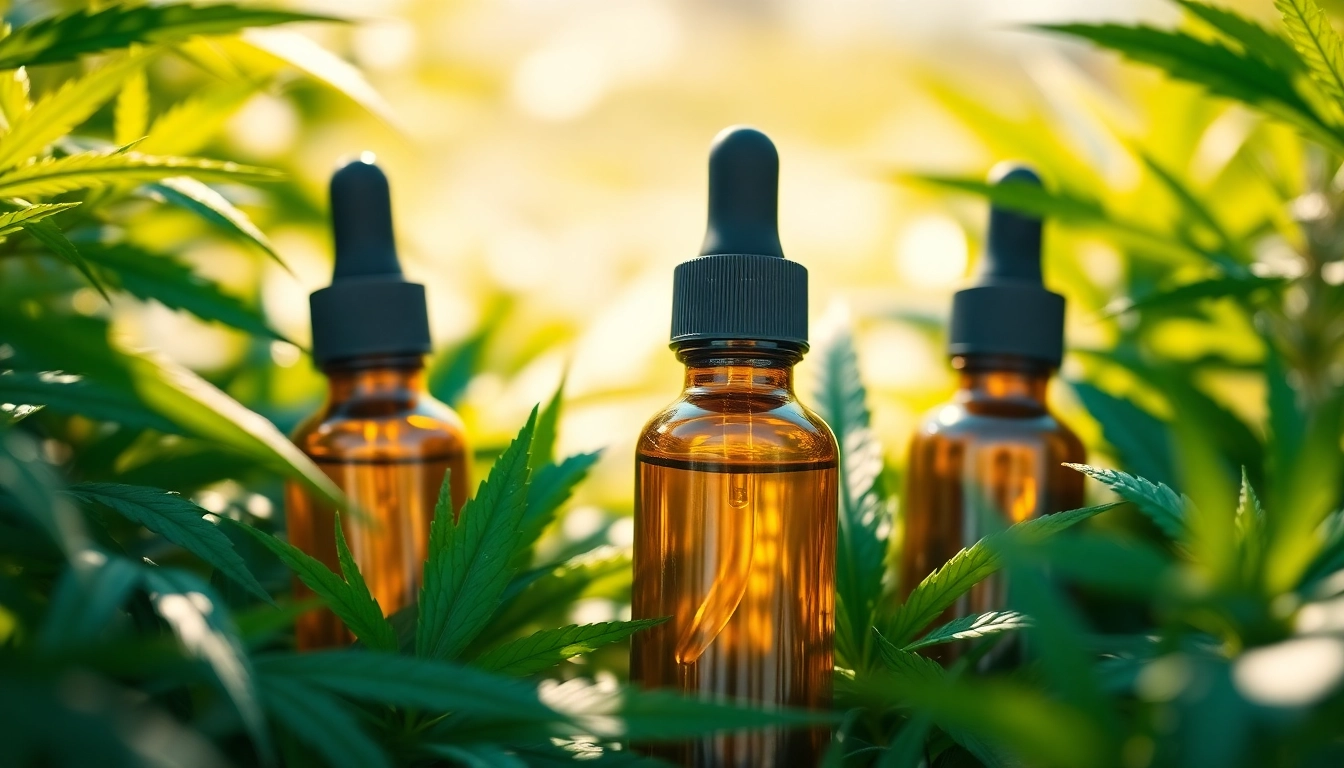
What is CBD and How Does It Work?
Definition and Source of CBD
Cannabidiol, commonly known as CBD, is a naturally occurring compound found in the cannabis plant. Unlike its more famous counterpart THC (tetrahydrocannabinol), CBD is non-psychoactive, meaning it does not produce the "high" associated with marijuana use. CBD is predominantly derived from hemp, a variety of cannabis that is grown specifically for industrial use. This includes everything from textiles to bioplastics and, of course, CBD oil and other health-related products.
The extraction of CBD from hemp involves various processes, with the most commonly used methods being CO2 extraction and solvent extraction. These methods ensure that the CBD is extracted in its purest form and without the inclusion of harmful chemicals. Once extracted, CBD can be formulated into various products including oils, capsules, edibles, and topicals, making it accessible to a wide range of consumers.
How CBD Interacts with the Body
The human body has an intricate system known as the endocannabinoid system (ECS), which plays a vital role in regulating several physiological processes such as pain, mood, appetite, and memory. The ECS consists of endocannabinoids, receptors, and enzymes. CBD interacts primarily with the two main receptors of the ECS: CB1 and CB2 receptors. These interactions help to modulate various bodily functions, promoting a sense of balance and wellness.
CB1 receptors are primarily located in the brain and central nervous system, influencing mood and cognitive functions, while CB2 receptors are predominantly found in the immune system and peripheral tissues, impacting inflammation and pain responses. By modulating these receptors, CBD may provide therapeutic benefits for an array of conditions.
Common Myths About CBD
Despite its growing popularity, CBD is often misunderstood. One common myth is that CBD is the same as marijuana and will get you high. As mentioned, CBD is non-psychoactive and does not produce intoxicating effects. Another prevalent misconception is that all CBD products are equally effective. In reality, the concentration, type (broad-spectrum, full-spectrum, or isolate), and quality of the product can significantly impact its effectiveness.
Additionally, some believe that CBD is illegal everywhere, but the legal status of CBD varies by country and state. In many areas, CBD derived from hemp is legal, provided that it contains less than 0.3% THC. As regulations continue to evolve, it's essential for consumers to stay informed about the legality of CBD in their area.
Health Benefits of CBD: What Does Research Show?
CBD for Pain Relief
One of the most well-documented uses of CBD is for pain management. Research indicates that CBD can help alleviate chronic pain through its anti-inflammatory properties. For individuals suffering from conditions such as arthritis, multiple sclerosis, and fibromyalgia, CBD may reduce perceived pain levels.
Several studies have shown that CBD helps modulate pain receptors in the brain, enhancing the body's ability to cope with pain. Unlike traditional pain relievers, CBD carries fewer side effects and has a lower potential for addiction, making it an attractive alternative for those seeking pain relief.
Managing Anxiety and Depression with CBD
Anxiety disorders and depression are two of the most common mental health issues affecting millions of people worldwide. Initial studies suggest that CBD may have a positive effect on both. By interacting with serotonin receptors in the brain, CBD can enhance mood and reduce feelings of anxiety. Some studies indicate that CBD may even help with post-traumatic stress disorder (PTSD) symptoms, providing a sense of calm during times of stress.
Clinical trials have demonstrated the efficacy of CBD in reducing anxiety among various populations, leading to its inclusion as a potential treatment option for those who resist traditional pharmacological treatments, which can have debilitating side effects.
CBD's Role in Neurological Health
Research into CBD's effects on neurological disorders is rapidly expanding, with exciting findings emerging about its potential to provide relief from symptoms associated with epilepsy, multiple sclerosis, and Parkinson's disease. The FDA has even approved a CBD product, Epidiolex, for the treatment of certain severe epilepsy syndromes, underscoring its medical validity.
Furthermore, preliminary studies suggest CBD may have neuroprotective properties, possibly aiding in the preservation of neuronal function and reducing the progression of neurodegenerative diseases. Although more research is needed, the existing data points to a promising future for CBD in neurological health.
Understanding Different Forms of CBD Products
Types of CBD: Full-Spectrum vs. Isolate
CBD products generally fall into three categories: full-spectrum, broad-spectrum, and isolate. Full-spectrum CBD contains all compounds found in the cannabis plant, including a variety of cannabinoids, terpenes, and trace amounts of THC. This whole-plant synergy may enhance its effectiveness, known as the 'entourage effect.'
Broad-spectrum CBD also contains multiple cannabinoids but excludes THC. This option is ideal for those who want the benefits of other cannabinoids without any THC exposure. CBD isolate, on the other hand, is the purest form, consisting of 99% pure CBD without any other cannabinoids or compounds, making it suitable for those who are sensitive to THC or prefer a non-psychoactive option.
How to Choose the Right CBD Product
Choosing the right CBD product can be overwhelming given the vast selection available. When selecting a product, consider the following key factors:
- Purpose: Define your goals for using CBD. Whether you are managing anxiety, pain, or sleep disturbances, different products may be more suitable for varying symptoms.
- Type: Decide between full-spectrum, broad-spectrum, or isolate based on your personal preferences and needs.
- Third-Party Testing: Always look for products that have been tested by independent labs to ensure safety, potency, and quality. This will also help you verify that the product does not contain harmful contaminants.
- Ingredients: Review product labels for any additional ingredients that could be beneficial or harmful based on your specific needs.
Ways to Consume CBD for Maximum Effectiveness
CBD can be consumed in various forms, each with its method of effectiveness. Some common ways include:
- Oils and tinctures: These are taken sublingually (under the tongue) for fast absorption.
- Edibles: Gummies or capsules provide a convenient and tasty way to consume CBD, although they may take longer to take effect.
- Topicals: Creams and balms infused with CBD are applied directly to the skin for localized pain relief.
- Vaping: While it offers rapid effects, it may not be the healthiest option due to potential lung irritation.
Regardless of the method, it's essential to start with a low dose and gradually increase until the desired effects are achieved.
Legal Status and Regulations of CBD
CBD Regulation in the United States
The legal landscape surrounding CBD is complex and has evolved significantly over the last few years. Following the passing of the 2018 Farm Bill, hemp-derived CBD containing less than 0.3% THC is federally legal in the United States. However, regulations still vary from state to state, affecting the availability and legitimacy of CBD products.
Despite federal approval, the FDA has yet to regulate the sale of CBD products comprehensively. As a result, consumers may find a mixture of well-regulated, high-quality products alongside poorly regulated items, which can complicate purchasing choices.
Understanding CBD Legality by State
Although hemp-derived CBD is federally legal, state laws can differ greatly. Some states have embraced CBD for both medical and recreational use, while others maintain stringent restrictions. It’s crucial for consumers to familiarize themselves with local regulations that apply to CBD use, possession, and sales to avoid legal complications.
Future of CBD Legislation
The future of CBD legislation appears promising, as growing consumer demand and increasing research into its benefits are prompting many lawmakers to reconsider existing regulations. As the market expands, more comprehensive policies and safety standards are likely to emerge, allowing the industry to flourish while ensuring consumer safety.
Potential Side Effects and Risks of CBD Use
Common Side Effects of CBD
While CBD is generally well-tolerated, some users may experience side effects. Common adverse effects include:
- Dry mouth: CBD can affect saliva production, leading to feelings of dryness.
- Fatigue: Some individuals may feel sleepy or lethargic after using CBD.
- Diarrhea: In some cases, CBD can cause gastrointestinal issues.
- Changes in appetite: Some users report alterations in their appetite, which can be either an increase or decrease.
Who Should Avoid CBD?
Certain individuals should consult with a healthcare provider before using CBD. This includes those who are pregnant or breastfeeding, individuals taking medications that may interact with CBD, and those with specific medical conditions such as liver disease or other serious conditions. A healthcare professional can guide the safe incorporation of CBD into one's health plan.
Addressing Concerns About CBD Safety
Despite its overall safety profile, concerns regarding the quality and purity of CBD products persist. Consumers should seek out products from reputable brands that provide third-party testing results and are transparent about their manufacturing processes. This level of scrutiny can help mitigate potential risks associated with contaminants and ensure consumers receive quality products that are both safe and effective.
In conclusion, CBD has emerged as a powerful natural compound with the potential to offer numerous health benefits. By understanding its interactions with the body, exploring different forms of products, and remaining aware of its legal status and potential side effects, individuals can make informed choices regarding the use of CBD as part of their health and wellness routine.