
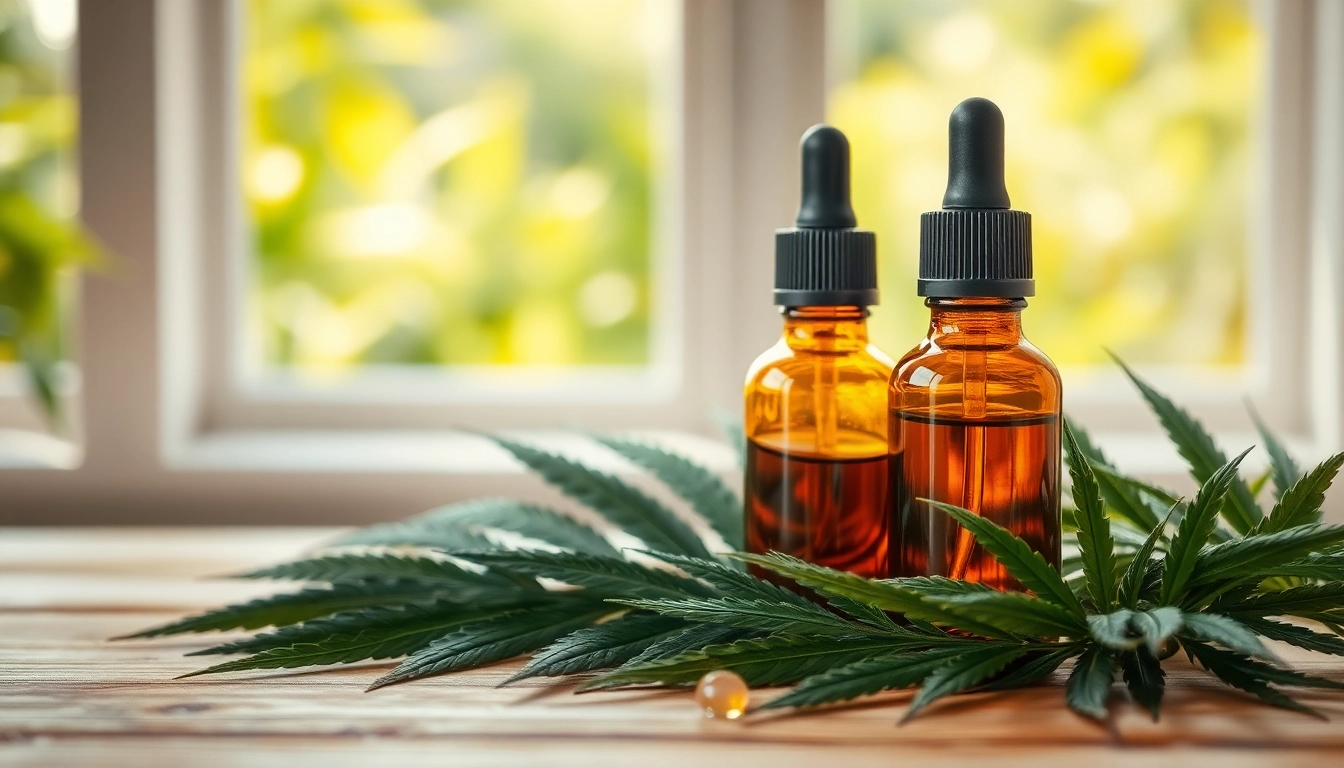
What is CBD Oil?
Understanding the Basics of CBD Oil
CBD Oil, short for cannabidiol oil, is an extract derived from the Cannabis sativa plant. Unlike its more famous counterpart, tetrahydrocannabinol (THC), CBD does not produce a psychoactive “high” that is typically associated with cannabis. Instead, CBD is preferred for its potential therapeutic properties, leading to its rapid rise in popularity among those seeking natural remedies for various health issues. Whether used in tinctures, capsules, or topical applications, the versatility of CBD Oil has made it a staple in the wellness ecosystem.
The legality of CBD Oil varies by region, reigniting discussions around cannabis products globally. As public interest in plant-based remedies grows, it is critical to examine the extraction methods, product types, and the health benefits linked to this compound. Many consumers are turning to CBD Oil as a natural alternative for pain relief, anxiety management, and various other health concerns.
How CBD Oil is Extracted
The extraction process is vital for producing high-quality CBD Oil, impacting its purity, potency, and overall effectiveness. There are several methods employed to extract CBD from hemp, with the following being the most common:
- CO2 Extraction: This is widely regarded as the most effective and safest method. It uses carbon dioxide under high pressure and low temperatures to extract CBD while maintaining the plant's essential compounds. The result is a pure, high-quality oil free of harmful solvents.
- Solvent Extraction: This method uses solvents such as ethanol or butane to dissolve cannabinoids from the plant material. While effective, it can leave behind residual solvents if not performed correctly, potentially leading to contaminants.
- Olive Oil Extraction: Utilizing olive oil as a solvent, this method involves heating the plant material to extract cannabinoids, then blending with oil. Although simple and safe, it is not efficient for large-scale production and results in a shorter shelf life.
- Steam Distillation: This process utilizes steam to extract the oil, but it may not efficiently capture all beneficial compounds, resulting in lower potency.
Different Types of CBD Oil Products
Understanding the differentiation between various types of CBD Oil products is crucial for consumers. Primarily, these can be categorized into three types:
- Full-Spectrum CBD Oil: Contains all cannabinoids naturally found in the cannabis plant, including trace amounts of THC (usually below 0.3%). This type is believed to provide the “entourage effect,” where the presence of various compounds enhances the therapeutic benefits.
- Broad-Spectrum CBD Oil: Similar to full-spectrum, this type contains multiple cannabinoids but is specifically processed to remove all traces of THC. It offers benefits from other cannabinoids while avoiding the psychoactive risks associated with THC.
- CBD Isolate: This is the purest form of CBD, containing 99% CBD with no other cannabinoids present. It is ideal for users who want to avoid THC completely.
The Health Benefits of CBD Oil
Potential Therapeutic Uses of CBD Oil
Research suggests that CBD Oil has myriad potential health benefits, making it a subject of interest among healthcare professionals and consumers alike. Some of the most noteworthy therapeutic uses include:
- Pain Relief: Numerous studies indicate that CBD may help alleviate chronic pain by interacting with neurotransmitters and reducing inflammation.
- Anxiety and Depression Management: CBD Oil has shown promise in reducing symptoms of anxiety and depression in various studies, potentially altering serotonin signals in the brain.
- Anti-inflammatory Properties: For conditions like arthritis or inflammatory diseases, research has highlighted CBD's potential to reduce inflammation and offer relief.
- Seizure Reduction: There is strong evidence supporting CBD's effectiveness in managing certain types of epilepsy, particularly in treatment-resistant cases.
- Supporting Heart Health: Some studies suggest that CBD Oil may have beneficial effects on heart health by reducing blood pressure and alleviating oxidative stress.
Research Studies on CBD Oil Benefits
Emerging scientific research continues to shed light on the potential benefits of CBD Oil. A study in the journal Neurotherapeutics indicated that CBD could help reduce anxiety in social anxiety disorder, while another study published in the Journal of Experimental Medicine found that CBD significantly reduced chronic inflammation and pain in rodents. These studies, along with ongoing clinical trials, provide encouraging insight into the possibilities of CBD Oil in managing many health conditions.
Personal Testimonials and Experiences
While clinical studies provide a scientific foundation for CBD Oil's benefits, personal testimonials from users add a compelling anecdotal layer. Many people report positive experiences ranging from improved sleep quality to reduced anxiety levels. For example, individuals suffering from chronic pain often share how integrating CBD Oil into their routines has provided significant relief, contributing to enhanced quality of life.
How to Choose Quality CBD Oil
Ingredients to Look for in CBD Oil
When selecting CBD Oil, quality is paramount. Key ingredients to consider include:
- Source of Hemp: Opt for products derived from organically grown hemp to ensure no harmful pesticides or herbicides have been used.
- Type of CBD: Choose between full-spectrum, broad-spectrum, or isolate based on personal preference and desired effects.
- Carrier Oil: Quality CBD products often use high-quality carrier oils, like MCT oil or hemp seed oil, to enhance absorption.
- Additives: Check for any unnecessary additives; pure oils should be minimally processed.
Understanding CBD Oil Lab Testing
Legitimate CBD products should always come with third-party lab results, confirming the purity and potency of the oil. Independent lab testing verifies that the CBD content matches what is claimed on the label and checks for contaminants like heavy metals or pesticides. Consumers should be able to access these reports easily, ensuring transparency and trust in the product they choose.
Comparing Full-Spectrum vs. Broad-Spectrum CBD Oil
The choice between full-spectrum and broad-spectrum CBD Oil ultimately depends on the user's preferences and desired outcomes. Full-spectrum contains a wide range of cannabinoids, providing an entourage effect believed to boost overall effectiveness. However, the presence of trace amounts of THC might deter some users. On the other hand, broad-spectrum offers similar benefits without THC, making it a suitable option for those wanting to avoid any THC exposure.
Best Practices for Using CBD Oil
Recommended Dosages and Usage Guidelines
Determining the right dosage of CBD Oil can vary significantly between individuals, influenced by factors like body weight, metabolism, and health goals. General guidelines suggest starting with a low dose (around 5-10mg) and gradually increasing it until the desired effects are achieved. It is crucial to consult with a healthcare professional, especially for those on medications or with pre-existing conditions.
How to Incorporate CBD Oil into Your Daily Routine
Integrating CBD Oil into daily life can be seamless and versatile. Here are practical ways to do so:
- Morning Routine: Add a dose of CBD Oil to your morning smoothie or coffee for a calming start to the day.
- Pre-Workout: Consuming CBD Oil before a workout can help reduce exercise-induced inflammation.
- Evening Wind-Down: Use CBD Oil as part of your bedtime routine, promoting relaxation and better sleep.
- Topical Applications: Apply topical CBD-infused products directly to localized areas for targeted relief.
Potential Side Effects of CBD Oil
While CBD Oil is generally well-tolerated, some users may experience side effects, including:
- Fatigue
- Changes in appetite
- Dizziness
- Diarrhea
Understanding these potential side effects and monitoring your body’s response is crucial when starting any new supplement.
The Future of CBD Oil in Wellness
Emerging Trends in CBD Oil Research
The landscape of CBD research is ever-evolving, with studies continually unveiling new insights into its benefits and applications. Future research aims to explore CBD’s effects on various health conditions, optimal dosing strategies, and potential interactions with traditional medications. As legalization expands, the breadth of research opportunities will additionally increase, contributing to the body of knowledge surrounding this compound.
Legal Considerations Surrounding CBD Oil
The legality of CBD Oil varies significantly across regions, contingent upon regulations governing cannabis products. Understanding local laws is essential for consumers to ensure compliance and avoid legal tropes. As attitudes shift and more studies validate its benefits, it is plausible that regulations will become more lenient in many areas.
The Role of CBD Oil in Holistic Health
As interest in holistic health solutions warms, CBD Oil is lauded as an alternative approach to wellness. With its potential to alleviate symptoms associated with anxiety, pain, and inflammatory disorders, the integration of CBD into holistic health practices may offer much-needed benefits for overall well-being. Enabling users to embrace a natural solution seamlessly connects with the growing demand for plant-based, health-promoting alternatives.