
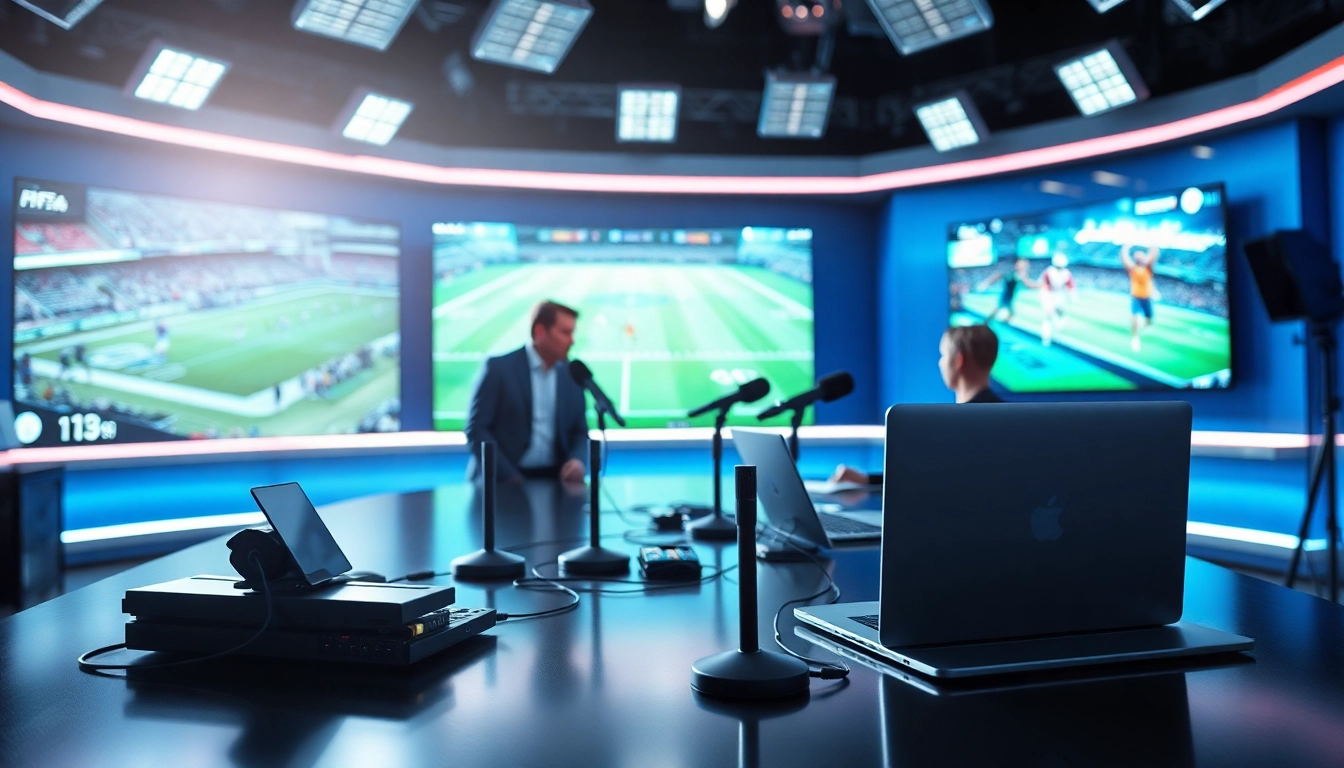
Understanding Sports Broadcasting Basics
Definition and Importance of Sports Broadcasting
Sports broadcasting is the dissemination of live or recorded sporting events to an audience through various mediums such as television, radio, and online platforms. This practice is crucial not only for fans who desire real-time access to games but also for teams and leagues that rely on broadcasting for revenue generation through advertising, sponsorships, and viewer subscriptions. The ability to connect with audiences while enhancing their experience plays a pivotal role in the growth and popularity of sports around the globe. The digitization and evolution of broadcasting have transformed how fans engage, making it essential for sports entities to embrace these changes. For more insights on Sports Broadcasting, visit Sports Broadcasting.
Key Terminologies in Sports Broadcasting
Understanding sports broadcasting requires familiarity with specific terms that delineate its scope and intricacies. Here are a few key terminologies:
- Play-by-Play: The commentary that narrates the action of a game as it unfolds.
- Color Commentary: An analyst's insights and observations that provide context and depth to the play-by-play narration.
- Broadcast Rights: Legal agreements that grant specific networks or platforms exclusive rights to air sporting events.
- Stream: The digital transmission of live content over the internet, allowing viewers to watch events in real-time.
- IPTV: Internet Protocol Television, delivering television programming using internet protocol through a broadband connection.
The Evolution of Sports Broadcasting Channels
Sports broadcasting has undergone a significant transformation from early radio broadcasts to today’s digital streaming platforms. Initially, radio was the primary medium, followed by the advent of television in the mid-20th century, which revolutionized how games reached fans. The introduction of cable networks further expanded the viewing options, allowing for dedicated sports channels. In recent years, streaming services and digital platforms have emerged, offering on-demand access to games and personalized viewing experiences. This evolution reflects changing audience preferences and advancements in technology, shaping the current landscape of sports broadcasting.
Types of Sports Broadcasting Platforms
Traditional Vs. Digital Sports Broadcasting
The sports broadcasting landscape can be broadly categorized into traditional and digital platforms. Traditional broadcasting typically involves cable and satellite channels, providing scheduled programming to audiences. This model is characterized by its wide reach but limited viewer customization. In contrast, digital broadcasting leverages the internet, allowing viewers to select content, time, and platform. Services like online streaming platforms and mobile applications offer fans on-the-go access to live games, highlights, and exclusive content, catering to the modern-day consumer's preference for flexibility.
Radio, TV, and Online Streaming Explained
Each broadcasting medium plays a vital role in delivering sports content to audiences:
- Radio: Although less dominant than other mediums, radio provides commentary, updates, and analysis for fans unable to watch games. It remains a staple for local coverage of sports.
- Television: Television remains the cornerstone of sports broadcasting, offering high-quality visuals and comprehensive coverage. Discussing the history, milestones, and innovations in sports television better illustrates its ongoing significance.
- Online Streaming: This is revolutionizing sports broadcasting by enabling viewers to watch live action on various devices. It allows for a more interactive experience, including multi-camera coverage and instant replays.
Mobile Applications in Sports Broadcasting
Mobile applications have transformed how fans consume sports content. These apps provide personalized experiences with features such as live updates, push notifications, and interactive content. Users can access highlights, game statistics, and analyses while on the move, meaning the traditional "couch experience" has become more dynamic and flexible. As technology continues to develop, mobile apps are expected to include virtual reality experiences, further enhancing engagement.
The Role of Technology in Sports Broadcasting
Latest Innovations Shaping Sports Broadcasting
Technology has continuously influenced the evolution of sports broadcasting. Innovations such as 4K resolution, virtual reality, and augmented reality provide fans with an immersive viewing experience. Furthermore, AI analytics and machine learning are being utilized to refine viewer engagement and tailor content to personal preferences, providing insights that enhance the overall experience for fans and rights holders alike.
Understanding Broadcast Equipment and Software
The backbone of effective sports broadcasting lies in the equipment and software utilized to capture and relay the action. High-definition cameras, drones for aerial shots, and portable broadcasting kits are crucial for capturing every angle of live events. Software applications that assist in graphics, instant replay, and broadcast management are also integral, ensuring that production values meet audience expectations. Mastery of these tools is critical for professionals aspiring to excel in broadcasting.
The Impact of High-Definition and 4K Broadcasting
As viewers demand higher quality content, the shift towards high-definition (HD) and 4K broadcasting has become a priority. These advancements not only enhance the viewing experience but also contribute to increased viewer engagement. Fans can enjoy crisp visuals and vibrant colors that make it feel as though they are at the game. In turn, this enhances the value proposition for advertisers and sponsors who seek to reach captivated audiences.
Legal and Ethical Considerations in Sports Broadcasting
Copyright Issues in Sports Broadcasting
Copyright plays a significant role in sports broadcasting, influencing how content is produced and shared. Broadcasters must secure rights from leagues and organizations to avoid legal repercussions. Infringement can lead to hefty penalties, impacting revenue and reputation. Understanding the nuances of copyright law is essential for anyone involved in sports media.
Fair Use and Sports Broadcasting Rights
The concept of fair use allows for limited use of copyrighted materials without infringement. However, sports broadcasters must navigate this carefully, as using highlight clips or game footage often requires permission from rights holders. Engaging legal counsel to ensure compliance is crucial, promoting transparency and ethical standards in the industry.
Transparency and Accuracy in Reporting
In the age of information, maintaining transparency and accuracy in sports reporting is paramount. Broadcasters have a responsibility to provide truthful and unbiased coverage, safeguarding the integrity of sports journalism. Ethical dilemmas may arise, especially concerning sensationalism and the dissemination of rumors, necessitating a commitment to factual reporting standards.
Future Trends in Sports Broadcasting
Interactive Features and Virtual Reality in Sports Broadcasting
Future innovations like interactive features and virtual reality are set to redefine sports broadcasting. Virtual reality offers immersive experiences, allowing fans to feel as if they are part of the action. Interactive features, such as audience polls and real-time game data, engage viewers, providing a unique viewing experience. These advancements will likely attract new audiences and enhance loyalty among existing fans.
The Role of Social Media in Sports Broadcasting
Social media has become a powerful tool in sports broadcasting, facilitating real-time interaction between fans and teams. Platforms like Twitter, Facebook, and Instagram are vital for promoting events and delivering updates. It also provides a space for discussions, making fans feel more connected to their favorite teams and players. As social media continues to evolve, its integration with live broadcasts will become even more pronounced.
Future Challenges Facing Sports Broadcasting
While the future of sports broadcasting looks promising, it faces several challenges. The rapid pace of technological advancements requires constant adaptation and investment. Additionally, increased competition from digital platforms can threaten traditional broadcasters' market share. Balancing viewer expectations while managing rights agreements and costs will be critical for sustaining growth in the sports broadcasting industry.
Frequently Asked Questions
What is sports broadcasting?
Sports broadcasting is the process of transmitting live or recorded sports events to an audience through television, radio, or online platforms, providing real-time access to athletic competitions.
How has technology impacted sports broadcasting?
Technology has transformed sports broadcasting through innovations like high-definition visuals, live streaming, and data analytics, enhancing viewer engagement and the overall experience.
What are the main types of sports broadcasting platforms?
Sports broadcasting platforms include traditional television and radio, as well as digital platforms that offer online streaming and mobile applications for on-the-go viewing.
What legal considerations are involved in sports broadcasting?
Key legal considerations include copyright issues, fair use guidelines, and ensuring transparency in reporting, all of which are critical for compliant and ethical broadcasting practices.
What trends are shaping the future of sports broadcasting?
Future trends in sports broadcasting include interactive technologies, virtual reality experiences, and the expanding role of social media, offering fans unique and engaging ways to connect with sports.