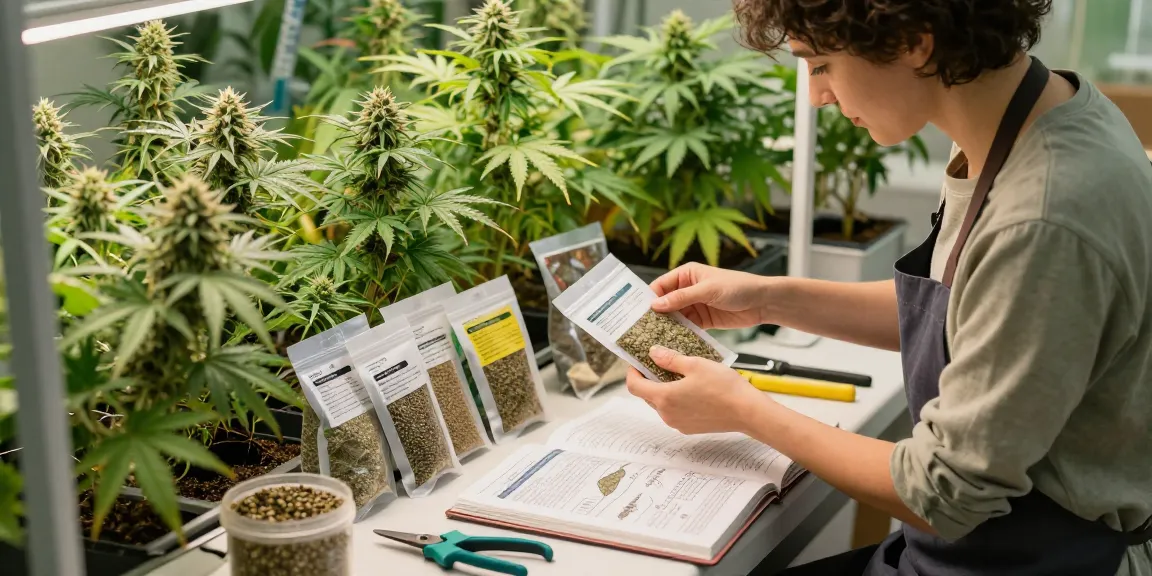
Understanding the Benefits of CBD Products
As the wellness industry continues to evolve, a growing number of individuals are turning to CBD products to enhance their overall well-being. Derived from the hemp plant, cannabidiol (CBD) has gained recognition for its potential to support various health conditions and improve quality of life. Whether navigating stress, seeking pain relief, or aiming to enhance mental clarity, CBD may offer a natural, non-intoxicating alternative for health seekers. In this comprehensive guide, we will explore the numerous benefits associated with CBD, delve into different product types, and provide essential insights for choosing high-quality options suitable for your needs. For those looking for reliable options, our nationwide online dispensary is tailored to meet your cannabis product needs.
What health benefits does CBD provide?
Research suggests that CBD may provide a range of health benefits, although more studies are needed to fully understand its effects. Users have reported improvements in conditions such as:
- Anxiety and Stress Management: CBD may help reduce feelings of anxiety by interacting with receptors in the brain responsible for regulating mood and emotional responses.
- Pain and Inflammation Reduction: Some studies indicate that CBD can alleviate chronic pain and inflammation by influencing the endocannabinoid system (ECS), which plays a key role in pain modulation.
- Sleep Quality Improvement: Many people turn to CBD to enhance their sleep quality by addressing sleep disorders, such as insomnia and sleep anxiety.
- Post-Workout Recovery: Athletes are exploring CBD as a method to manage soreness and promote recovery after strenuous exercise.
Exploring therapeutic applications for pain relief
Chronic pain conditions, such as arthritis or lower back pain, are common issues faced by many adults. CBD interacts with cannabinoid receptors in the ECS, which may influence pain perceptions. This interaction can lead to a reduction in pain signals, providing a potential alternative for those seeking relief without the side effects often associated with conventional painkillers. Clinical studies have shown promising results in using CBD for managing various types of pain, which continues to drive interest in the therapeutic applications of this compound.
Cannabinoid effects and mental health improvement
The relationship between CBD and mental health is a growing area of research. Early findings suggest that CBD may positively impact conditions like depression and PTSD by promoting a sense of calm and stability. By binding to serotonin receptors, CBD may enhance mood and lessen feelings of despair. Additionally, ongoing studies explore the efficacy of CBD in treatment protocols alongside traditional therapies, highlighting its potential as a complement rather than a replacement.
Types of CBD Products Available
The CBD market has diversified significantly, offering a range of products tailored to various preferences and lifestyles. Understanding the different forms available can help consumers select the best option for their needs.
Differences between oils, edibles, and topicals
There are three primary categories of CBD products:
- Oils and Tinctures: Usually consumed sublingually (under the tongue), these products provide rapid absorption into the bloodstream. This method often yields a higher bioavailability compared to other delivery systems.
- Edibles: CBD-infused foods, such as gummies and beverages, offer a convenient and tasty way to consume CBD. However, they usually involve slower onset times due to digestion.
- Topicals: Creams, balms, and lotions designed for localized application can provide targeted relief for skin issues or muscle discomfort without entering the bloodstream.
Choosing vape devices for effective delivery
Vaping has emerged as a popular method for taking CBD due to its immediate effects. Products include cartridges, disposables, and refillable systems. Users should consider factors such as device type, dosage needs, and flavor preferences when selecting a vaping option. Understanding the distinction between freebase and nicotine salts can also influence the choice of vape juice, particularly for users transitioning from traditional tobacco products.
Understanding full-spectrum vs. isolate products
CBD products are often categorized by their cannabinoid content:
- Full-Spectrum: Contains CBD along with all other cannabinoids, terpenes, and flavonoids found in hemp, offering the "entourage effect"—where compounds work synergistically for enhanced benefits.
- Broad-Spectrum: Similar to full-spectrum but without THC, making it a suitable option for those wishing to avoid psychoactive effects.
- Isolate: Pure CBD without other cannabinoids, offering a targeted dose but lacking additional benefits from other compounds.
Determining the Correct Dosage of CBD
Understanding proper dosing is crucial to maximizing the benefits of CBD while minimizing potential side effects. Each individual's optimal dose can vary based on multiple factors.
How to calculate your ideal CBD dosage
Finding the right dosage often begins with a general guideline of 1-6 mg of CBD per 10 pounds of body weight. For example, a 150-pound person might start with 15-25 mg. It’s essential to adjust based on personal response and desired effects.
Safe titration practices for new users
For those new to CBD, it’s wise to adopt a "start low and go slow" approach. Begin with a lower dose, assess the effects over several days, and gradually increase until the desired outcome is achieved.
Effect of weight and tolerance on dosage
Individual factors such as body weight, metabolism, and tolerance levels significantly influence how CBD is processed in the body. Users should take these factors into account when determining their baseline dosage and making adjustments accordingly.
Quality Standards in the CBD Industry
As the industry grows, so does the importance of selecting high-quality products. Ensuring product safety and efficacy is critical for consumers.
Importance of third-party testing and certificates of analysis
Reputable brands prioritize transparency by providing Certificates of Analysis (COAs) from third-party laboratories. These documents verify the potency and purity of products and confirm the absence of harmful contaminants such as heavy metals and pesticides.
Recognizing reputable brands and their practices
When searching for quality CBD products, consumers should consider brands that adhere to Good Manufacturing Practices (GMP) and utilize organic farming methods. Signs of reputable brands include third-party testing, transparent ingredient sourcing, and positive customer reviews.
Legal compliance and product safety in 2026
As of 2026, the legal landscape for CBD remains closely tied to the regulations established in the 2018 Farm Bill, which legalized hemp products containing no more than 0.3% THC. Compliance with local and federal regulations is essential for any CBD business, and consumers should stay informed of their state’s specific laws regarding CBD use and distribution.
Integrating CBD into Your Daily Routine
Incorporating CBD into everyday life can enhance wellness when approached thoughtfully and strategically.
Best practices for storage and shelf life of products
To maintain potency, CBD products should be stored in a cool, dark place away from direct sunlight. Most products have a shelf life of around 1-2 years, but checking for expiration dates and signs of degradation is essential.
How to incorporate CBD into wellness rituals
Users often find success by adding CBD to morning routines with oils in coffee or using topical creams post-workout. Consistency is key for reaping potential benefits, especially in relation to anxiety or chronic pain management.
Potential interactions with medications and safety precautions
As with any supplement, consulting with a healthcare professional before using CBD is advisable, especially for individuals on prescription medications. Some CBD formulations may interfere with medications such as blood thinners or seizure medications.
What are the differences between CBD and THC?
CBD (cannabidiol) and THC (tetrahydrocannabinol) have unique properties and effects. While THC is the psychoactive compound responsible for the 'high' associated with cannabis, CBD offers therapeutic benefits without intoxication, making it appealing for those seeking relief without impairments.
How to read and understand lab reports?
Lab reports are vital for ensuring product safety and efficacy. Consumers should focus on the overall cannabinoid profile, which details the concentration of CBD and any other cannabinoids present. Look for testing results regarding contaminants such as heavy metals, pesticides, and microbial impurities.
What are the legal implications of purchasing CBD online?
When purchasing CBD online, consumers should be aware of the legal implications in their state. For more information, top shelf flower delivery offers valuable insights. The 2018 Farm Bill made hemp-derived CBD legal federally, but individual states may have different regulations regarding sales and possession. Always verify product legality before making a purchase.