Understanding Window Tinting Benefits
When it comes to enhancing the performance and aesthetics of your vehicle, best window tint Chattanooga TN solutions rise to the occasion. Window tinting offers a plethora of benefits, making it a worthwhile investment for vehicle owners. Here, we dig deep into the myriad advantages of this service, ensuring you understand why it's increasingly becoming a top priority among car enthusiasts and daily drivers alike.
Improved Privacy and Security
Window tinting plays a crucial role in improving privacy for both drivers and passengers. Tinted windows create a barrier, making it difficult for outsiders to see inside the vehicle. This added layer of privacy not only protects your personal belongings from potential thieves but also provides peace of mind while traveling. Furthermore, in the unfortunate event of a break-in, tinted windows may offer additional protection by holding shattered glass in place, reducing the risk of injury from flying glass shards.
UV Protection and Heat Reduction
One of the most significant benefits of window tinting is its ability to block harmful ultraviolet (UV) rays. Extended exposure to UV rays can lead to skin damage and increase the risk of skin cancer. High-quality window films can block up to 99% of these rays, ensuring a safer environment for you and your passengers. In addition, these films help reduce heat inside the vehicle, making your ride more comfortable, especially during the hot summer months. By minimizing heat absorption, tinted windows can also reduce the need for excessive air conditioning, leading to better fuel efficiency.
Enhanced Vehicle Appearance
Tinted windows can dramatically enhance the overall appearance of your vehicle. Whether driving an upscale sedan or a rugged SUV, window tinting provides a sleek and polished look that complements your car's design. In addition, various shades and types of film allow you to customize your vehicle's appearance according to your personal style. The right tint not only adds aesthetic value but can also increase resale value by appealing to prospective buyers looking for added features.
Choosing the Right Window Tint for Your Vehicle
With various options available in the market, choosing the right window tint can be overwhelming. Factors such as the type of film, your vehicle's make and model, and local regulations play a pivotal role in making your decision. Let’s explore the different aspects that will help you make an informed choice.
Types of Window Tinting Films
There are several types of window tinting films, each with its own set of characteristics and benefits:
- Dyed Film: This film is made by adding dye to adhesive layers. It provides good privacy and appearance but offers limited heat rejection compared to other types.
- Metalized Film: Utilizing tiny metal particles, this type of film reflects heat and UV rays, improving privacy and aesthetic appeal while also making windows more shatter-resistant.
- Carbon Film: A more advanced option, carbon film blocks infrared radiation while maintaining a matte appearance, providing style and comfort without interference with electronic devices.
- Ceramic Film: Considered the premium option, ceramic films offer excellent heat and UV protection without blocking signals. They are durable and can significantly reduce glare.
- Hybrid Film: A combination of dyed and metallic layers, hybrid films provide a balance between aesthetics and performance.
Legal Considerations in Chattanooga
In Chattanooga, understanding local window tinting laws is essential to avoid fines or legal repercussions. Tennessee has specific regulations regarding the permissible levels of tint on different windows. The front windshield must allow more than 70% of light in, while the front side windows should also meet the same requirement. The rear side windows and back windows can be tinted darker, as there are no restrictions on darkness. Compliance with these regulations ensures you enjoy your window tint with peace of mind.
Factors to Consider Before Tinting
Before getting your windows tinted, consider the following factors:
- Purpose: Determine your primary motivations for tinting, whether it be privacy, UV protection, or aesthetic appeal.
- Climate: Consider local weather conditions. Urban areas might benefit more from heat-rejecting films.
- Warranty: Look for films that come with a warranty, indicating the manufacturer's confidence in their product.
- Professional Installation: Opt for professional installation to ensure a flawless finish and maximize the longevity of the tint.
Window Tint Installation Process Explained
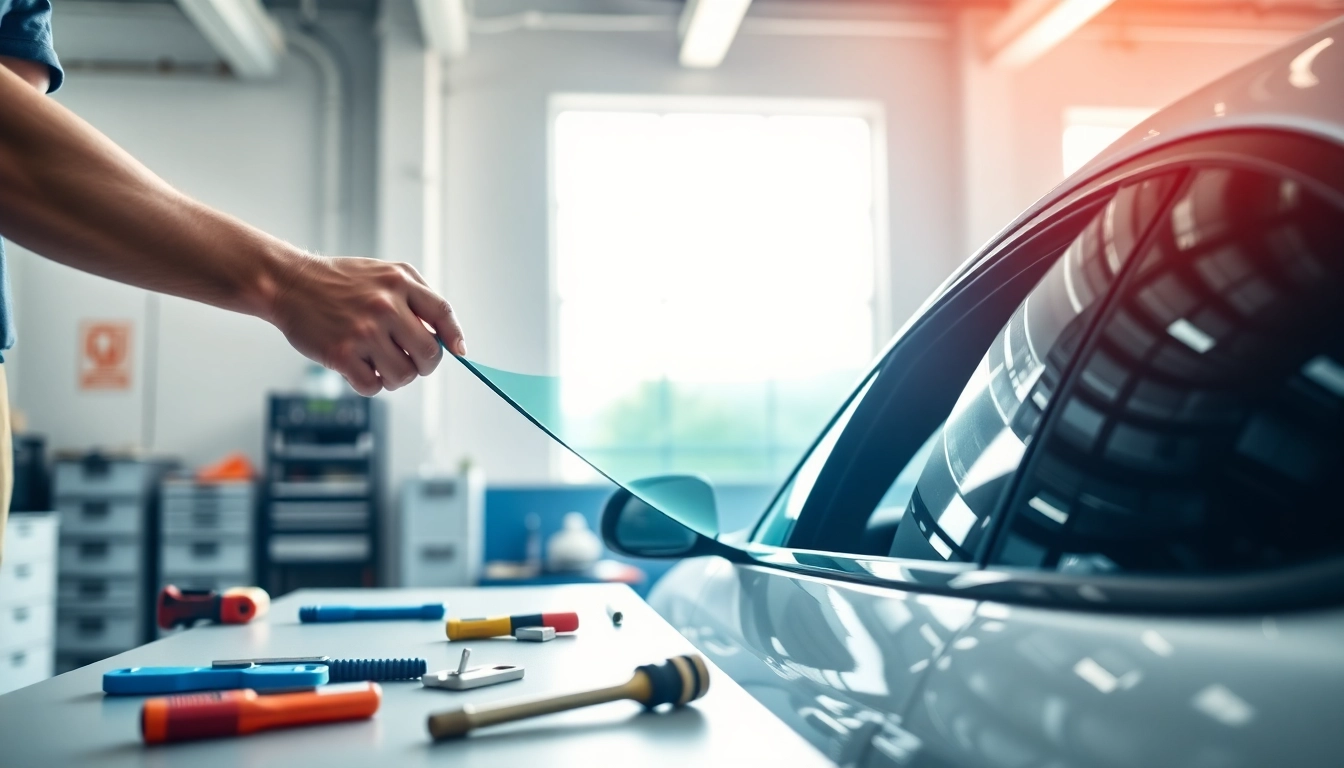
The installation process of window tint involves several steps that require precision and attention to detail. Below, we outline the stages involved in ensuring a quality tint application.
Preparing Your Vehicle for Tinting
Before the installation begins, it’s crucial to prepare your vehicle. This involves removing any dirt and debris from the windows to ensure the film adheres properly and smoothly. Additionally, it’s advisable to roll down the windows slightly to allow the installer easy access to the edges of the glass.
Step-by-Step Tint Application
The tint application typically follows these steps:
- Film Selection: Choose the desired type and shade of window film.
- Measurement: The installer measures your windows accurately to cut the film accordingly.
- Cutting: The installer will cut the film for each window, ensuring a precise fit.
- Application: The film is then sprayed with a solution to facilitate easier installation and is applied directly to the glass.
- Smoothing: The installer uses a squeegee to eliminate bubbles and ensure a smooth finish.
- Trimming: Finally, excess film is trimmed away for a clean edge.
Post-Installation Care Instructions
After installation, it's vital to care for your new tint properly:
- Avoid rolling down the windows for at least a week to allow the film to cure.
- Clean the windows with a soft cloth rather than abrasive materials that can scratch the film.
- Refrain from using ammonia-based cleaners as they may damage the film.
Common Window Tinting Myths Debunked
Despite the advantages, there are several myths surrounding window tinting that may lead to confusion. Let’s address and debunk these misconceptions.
Myth: All Tints Block Heat
While many window tints are designed to block heat, not all types are equally effective. The type of film and its specific properties greatly influence heat rejection levels. Opt for high-performance films to achieve the best results.
Myth: Tinting Will Damage Your Windows
Quality window tint films are designed not to damage glass; rather, they enhance its durability and improve safety. Professional installation further minimizes any risk of damage to the vehicle.
Myth: You Can't See Through Tinted Windows
Contrary to popular belief, many window tints allow clear visibility from within the vehicle while obstructing the view from outside. The level of visibility depends on the film's darkness.
FAQs about Window Tinting in Chattanooga
What is the legal tint limit in Chattanooga?
In Chattanooga, the front windshield must allow more than 70% light in, while front-side windows should have the same requirement. Rear windows have no darkness restrictions.
How long does window tint last?
High-quality window tint can last between 5 to 10 years, depending on the film type and maintenance. Selecting a good quality film and professional installation can enhance durability.
Can I wash my car after tinting?
It’s best to wait at least a week before washing your car after tinting, allowing the film to cure properly. Avoid high-pressure washes during this time.
Is window tinting expensive?
Costs vary based on vehicle type and film quality. Generally, the investment pays off through improved comfort, privacy, and UV protection.
What should I do if my tint bubbles?
If you notice bubbles in your tint, avoid tampering with them. It’s best to return to the installer for rectification since bubbles can indicate improper installation or moisture trapped beneath the film.